
PCDC Code of Community Conduct
The purpose of this Code of Community Conduct is to create a supportive and welcoming environment for everyone who participates in the PCDC community.
Members of the community may report violations that cause harm or potential harm to PCDC’s Safe Officer,
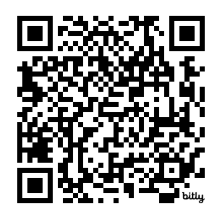
Paula Brantner, through the form at bit.ly/PCDCConductReporting or at safeconferences[at]gmail.com. All other violations of the Code, including violations of email list guidelines, should be reported to the PCDC Steering Committee at pcdc+owner[at]groups.io.

Developed for PCDC by:
I. Introduction and Values Statement
Progressive Communicators of Washington, D.C. (PCDC) is an informal network of communications professionals who are committed to progressive causes, including in-house communications staff and consultants.
Members agree to create a supportive and welcoming environment that reflects PCDC’s core values of inclusion, belonging, and equity. The purpose of the PCDC Code of Community Conduct (Code) is to ensure that all members of the PCDC community promote PCDC’s mission and maintain a professional and respectful environment. The Code will help ensure accountability, allow PCDC to address unacceptable behavior, and provide redress when incidents or unacceptable behaviors are observed and reported.
The Code applies to all activities of and interactions between community members involved in PCDC, whether on the groups.io email list, at events, or otherwise within the scope of PCDC activities. PCDC list membership and/or participation in its virtual and in-person meetings, in-person events, or committee and leadership activities constitutes an agreement to adhere to the Code.
II. Prohibited Behaviors
PCDC is committed to maintaining a positive collaborative environment, for which we all share responsibility. Ensuring that your behavior does not have a negative impact is your responsibility. Behaviors that are prohibited, and which may result in consequences when a violation of the Code is found, include but are not limited to:
Harassment in any form, including but not limited to sexual harassment, denigrating jokes, stereotyping, or a recurring pattern of microinvalidations, microassaults, microaggressions, or microinsults, which are small comments or questions, either intentional or unintentional, that marginalize people by communicating hostile, derogatory, or negative beliefs.
Examples of microinvalidations, microassaults, microaggressions, or microinsults include:
Patronizing language or behavior:
Be aware that, regardless of the speaker's intentions, some phrases or constructions lead people to expect a patronizing statement to follow, and avoid such phrases. For example, beginning an interjection with "Well, actually..." can set this expectation and be taken as a sign of disrespect.
Assuming that particular people or groups need concepts defined or explained to them. People may be unfamiliar with the technical terms you use every day, but assuming they are uninformed can come across as patronizing.
Assuming that particular groups of people are technically unskilled (e.g., “So easy your grandmother could do it”).
Repeatedly interrupting or talking over someone else.
Shaming. For example, expressing surprise at someone’s lack of knowledge or awareness about a topic.
Using racially charged language to describe an individual or thing.
Demeaning or challenging the validity of an individual’s identity, such as racial identity.
Mocking an individual’s real or perceived accent or first language.
Physical abuse, intimidation, disregard for another’s safety, as well as intentional, unwelcome physical behaviors (in-person or remotely), including but not limited to stalking, physical contact, simulated physical contact, and aggressive or intimidating displays and/or body language;
Verbal or written abuse, intimidation (in-person or remotely), use of coded language, or deliberate outing of an aspect of someone’s identity including but not limited to: harmful or negative comments related to race, color, national or ethnic origin, caste, immigration status, religion, age, marital status, familial status, family responsibilities, sex, sexual orientation, gender identity or expression, personal appearance, socioeconomic background, educational background, disability, or military service or veteran status;
Violating previously communicated (verbally or nonverbally) physical, emotional, and sexual boundaries of others through the continuation of otherwise prohibited behaviors or through verbal or written comments founded on any personal aspect of another individual;
Displaying or distributing of images or recordings involving provocative behavior, bigotry, nudity, sexual activities, or physical force against oneself, another person, or a community, including inappropriate use of nudity and/or sexual images in public spaces — whether physical or virtual — or in presentations;
Threatening (implied or real) physical, emotional, professional, or financial harm, including threatening or stalking any attendee, speaker, volunteer, exhibitor, PCDC member, service provider, other meeting guest, or anyone participating in any other PCDC community spaces online or in person;
Photographing, recording, or videotaping of others and/or the dissemination or distribution of photographs, recordings, and videotapings of others without their consent. This includes the use of AI-powered notetaking tools that record audio and/or video; their use must be disclosed in advance and agreed to by all participants. Additionally, uploading any images, audio, or video recordings of others into generative AI tools or platforms without their explicit permission is not allowed.
Engaging in the following prohibited behaviors related to communications:
Disrespectful communication that does not support the discussion of the topic at hand.
Sustained disruption of a discussion or repeatedly asking disingenuous questions under a guise of sincerity.
Directly reproducing visual materials (e.g., no posting of photos of slides or posters) unless the presenter grants permission or has already made this information freely available in an open-source forum.
Copying or taking screenshots of session recordings, Q&A, or session chat activity taking place in the virtual space when the presenter has instructed attendees to keep the information confidential. Otherwise, all materials may be freely shared by members and attendees.
Accepting inappropriate favors, such as bribery, excessive gifts, line jumping, or playing favorites, from members, invited experts, participants, or any other member of the PCDC community or broader public;
Retaliating during or after the reporting process by any individual involved in a potential violation of the Code, including the reporting party/target/victim, witnesses, and those reported to have engaged in prohibited behavior(s); and
Inciting, encouraging, or condoning prohibited behavior, as listed in this section, including but not limited to harassment in any form;
Any other behaviors that may reasonably be assumed to have the effect of creating, contributing to, or maintaining an environment that is hostile toward or damaging to a person or group.
III. Consequences for Code Violations
Consequences for a violation of the Code may include, but are not limited to:
a verbal or written request to cease and desist conduct in violation of the Code (a warning);
removal of messages and solicitations, and banning the sources of those solicitations;
removal from an event, virtual or in-person, without warning or refund, and at cost to the attendee (if applicable);
a temporary or permanent ban on PCDC email list participation or future attendance at events;
limiting rights to participate in PCDC activities, committees, or leadership for a designated time or with conditions for subsequent participation;
permanent expulsion from any and all participation in the PCDC community.
IV. Reporting Process
Members of the PCDC community may report violations that cause harm or potential harm to PCDC’s Safe Officer, Paula Brantner, through the form at bit.ly/PCDCConductReporting or at safeconferences[at]gmail.com. All other violations of the Code, including violations of email list guidelines, should be reported to the PCDC Steering Committee at pcdc+owner[at]groups.io.
When responding to a report, PCDC will prioritize respecting each person’s safety and confidentiality while also protecting the PCDC environment. PCDC has designated an external Safe PCDC Officer to offer confidential reporting to PCDC community members who feel uncomfortable making an internal complaint to the PCDC Steering Committee. The reporting party’s identity will be kept confidential if they so wish, until and unless there comes a time that disclosure is needed to address the problem, and they agree to the disclosure of their identity.
There is no absolute deadline or statute of limitations for reporting potential violations to PCDC (including for violations that occurred before the establishment of this Code). Reporting parties are encouraged to come forward at any time so that PCDC may address any harm to reporting parties and work to maintain a safe and inclusive environment for all members.
PCDC will ensure the timely investigation of reported allegations. A report initiated via email will be acknowledged and reviewed promptly by the Safe PCDC Officer. At the reporting party’s request and if appropriate, the Safe PCDC Officer will initiate a preliminary investigation and will recommend to the PCDC Steering Committee whether to continue with a full investigation. The Steering Committee will discuss the Safe Officer’s recommendation and take a vote for the next action within seven business days.
If a full investigation is recommended and approved by the Steering Committee, the accused will be notified and temporarily removed from participation in the PCDC email list and activities during the process. The investigation, which is conducted by the Safe PCDC Officer, may include interviews and document review. After reviewing the findings, the Steering Committee determines whether a Code violation occurred and what consequences, if any, are appropriate. All involved parties will be notified of the outcome, with confidentiality maintained.
Involved parties may appeal the decision within seven days if they believe there was an error, bias, or disproportionate consequence. Appeals are reviewed at the next scheduled Steering Committee meeting and the decision made at that meeting is final.
V. Respectful Engagement within
the PCDC Community
The following are intended to provide a detailed description of the background, context, and nature of expected conduct. The PCDC Steering Committee also recommends the Diversity Style Guide as a reference for inclusive communications.
Community members in all professional, social, and educational settings covered by the Code shall:
Adhere to PCDC’s mission and policies, including the PCDC List Guidelines.
Act to uphold the interests and reputation of PCDC.
Treat each other with respect, professionalism, fairness, and sensitivity to our many differences and strengths, including in high-pressure and urgent situations. We are a large community of people who are passionate about our work, sometimes holding strong opinions and beliefs. We are committed to dealing with each other with courtesy, respect, and dignity at all times. Being unable to understand why someone holds a viewpoint does not mean that they are wrong. Misunderstandings and disagreements do happen. When conflicts arise, we expect community members to resolve them while maintaining courtesy, respect, and dignity, even when emotions are heightened.
Appreciate and accommodate our similarities and differences. We come from many cultures and backgrounds, ways of life, and standards of behavior. Cultural differences can encompass everything from official religious observances to personal habits to clothing. Be respectful of people with different practices, attitudes, and beliefs.
Have empathy when discussing sensitive issues. Some community members may have experienced (or were subjected to) various forms of violence in their lives, which may cause distress when they are reminded of it. For example, avoid making jokes or callously mentioning sexual violence, such as stalking or sexual assault; in cases when the need arises to discuss sensitive issues and how they affect people, do so with tact and empathy, taking into account the gravity of the situation. Also, ensure that community members are properly warned in advance so they can choose to step out of these discussions.
Be thoughtful in communications. Be truthful, sincere, forthright, and (unless professional duties require confidentiality or special discretion), candid, straightforward, and frank.
Give others fair, inclusive, and equitable consideration, regardless of any category or characteristic, including but not limited to their own or another’s race, color, national or ethnic origin, caste, immigration status, religion, age, marital status, familial status, family responsibilities, sex, sexual orientation, gender identity or expression, personal appearance, socioeconomic background, educational background, disability, or military service or veteran status.
Communicate openly with respect for others, be open to new perspectives, and critique ideas rather than individuals.
Members shall avoid personal attacks directed toward other PCDC community members and participants. Be aware of how much time is taken up by dominant members of the group. If a single voice (particularly your own) is dominating the conversation, attempt to bring others into the discussion.
Use the names, titles, and pronouns that the person asks you to use. If you aren’t sure, ask with respect and genuine curiosity. For example, if you are unsure about how to pronounce someone's name, reach out and ask them.
Acknowledge the contributions of your peers. Proper attribution is essential to maintaining a vibrant, trusted community. Do not attempt to injure the reputation of professional opportunities for others by false, biased, or undocumented claims.
Respect the rules and policies of all meeting/event venues, as well as any other applicable meeting or generally applicable codes of conduct in PCDC co-sponsored meetings and events. Accommodate community members' needs for masks, physical distancing, and/or other accommodations or precautions.
Reasonable communication of boundaries is welcomed and encouraged, For example, people have different comfort levels with physical displays of affection.
Accommodate community members' needs for physical distancing and other accommodations or precautions due to health concerns such as immune deficiency, allergies, or chemical sensitivity.
Be sensitive to language differences. English is the default language of PCDC. However, some community members are not native English speakers or speak English as one of multiple languages. If someone needs support to express their thoughts, help ensure their ideas are adequately heard.
Respect confidentiality and privacy. Sometimes, matters we discuss may fall under various confidentiality agreements, and strict adherence to these agreements is expected. Additionally, certain pieces of information disclosed in a group setting may be of a private nature, or confidential information may be inadvertently disclosed by other community members. Please exercise good judgment and make reasonable efforts to protect the privacy and confidentiality of all community members.
VI. Acknowledgements & License
The PCDC Code of Community Conduct was inspired by the W3C Code of Ethics and Professional Conduct. Section V, Guidelines for Respectful Engagement, was originally developed by GA4GH in conjunction with Paula Brantner of Accountability Ignited.
PCDC community member Paula Brantner of Accountability Ignited submitted a preliminary draft for comment by the PCDC Steering Committee, which was then further refined. The Steering Committee shared the draft Code with the PCDC email list for open comment for 30 days. The Steering Committee formally adopted the Code on October 9, 2025.
The PCDC Code of Community Conduct is licensed under the Creative Commons Attribution-ShareAlike 4.0 license.